Taman Limbo
2025 - ongoing
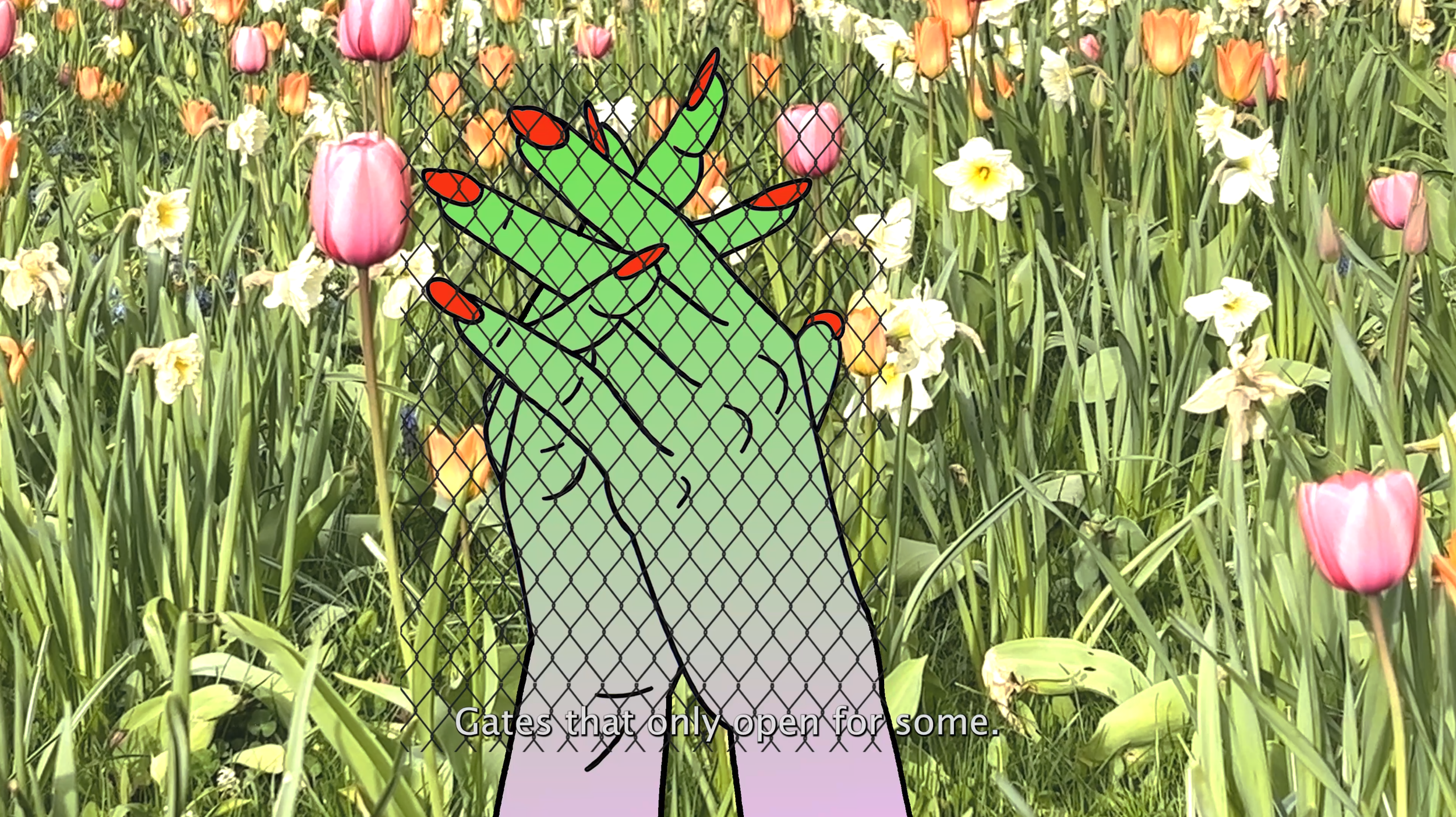
Taman Limbo is an ongoing experimental film research project incorporating conversations, art objects, and plants. The enquiry probes the friction between nature and cultural belonging that arises through displacement, while centring queer experiences and poz resilience. It reframes the garden not as au naturel, but as a constructed and liminal terrain; a site suspended between longing and estrangement.
The film, composed of several parts and developed through multiple fieldworks, poses critical questions: What constitutes nature when experienced from a marginalised position? What remains “natural” when dislocated from the cultural and ecological contexts that shape our sense of self? Voiced in Bahasa Melayu and English, it resonates with broader diasporic conditions, particularly those experienced by Southeast Asian communities negotiating cultural memory, language, and identity in foreign landscapes. Through its use of Bahasa Melayu and its meditation on ecological disconnection, the film symbolically engages with cultural frameworks of origin while reflecting on the complexities of navigating distance.
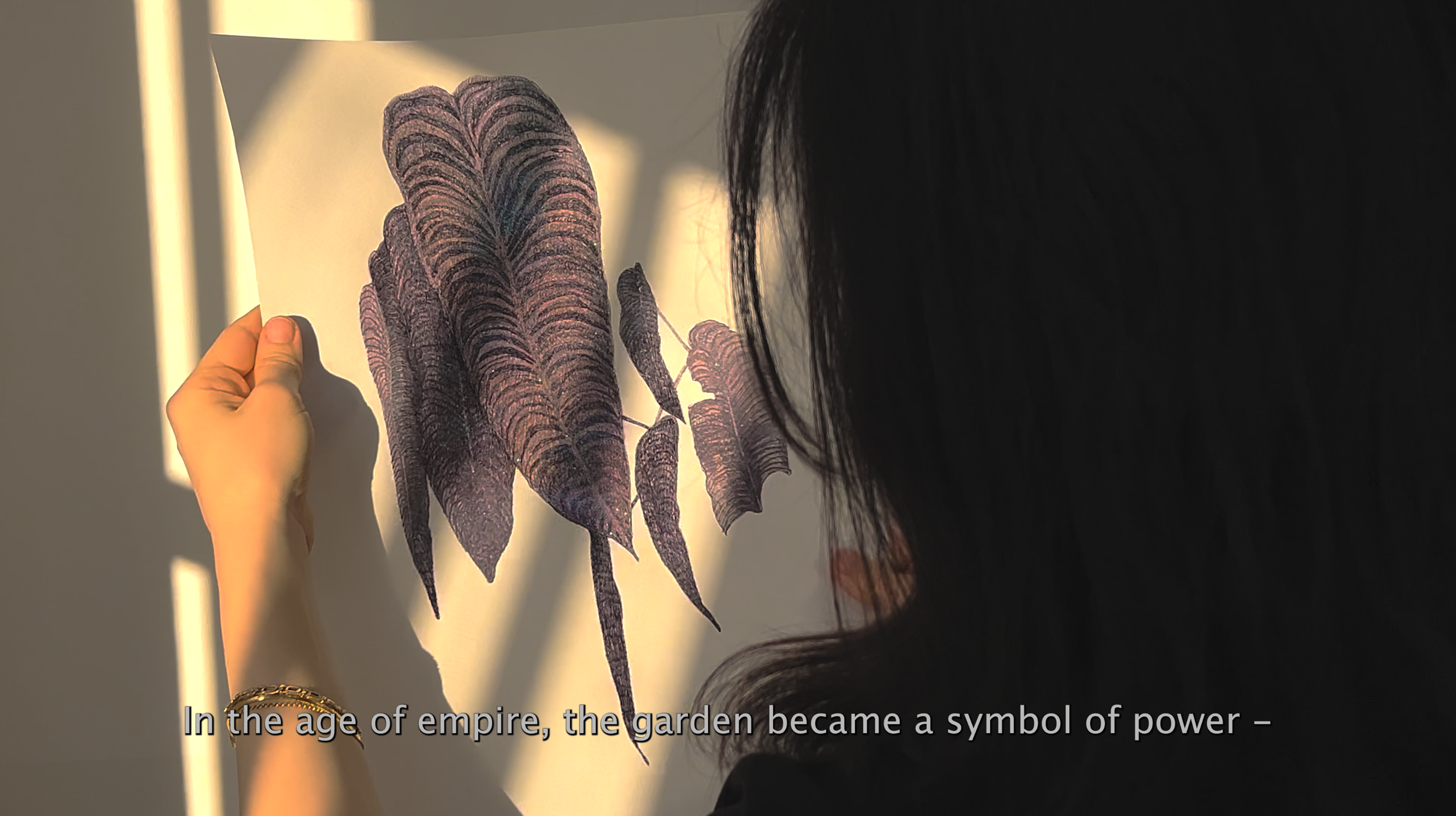
Taman Limbo also investigates decolonial approaches to representation by questioning dominant, anthropocentric relationships to nature. It considers how Southeast Asian cosmologies and minor histories might offer alternative epistemologies that resist extractivist and linear narratives. The work employs multiple layers of legibility like visual, sonic, and linguistic, to diversify modes of knowledge production and open up plural readings across audiences.
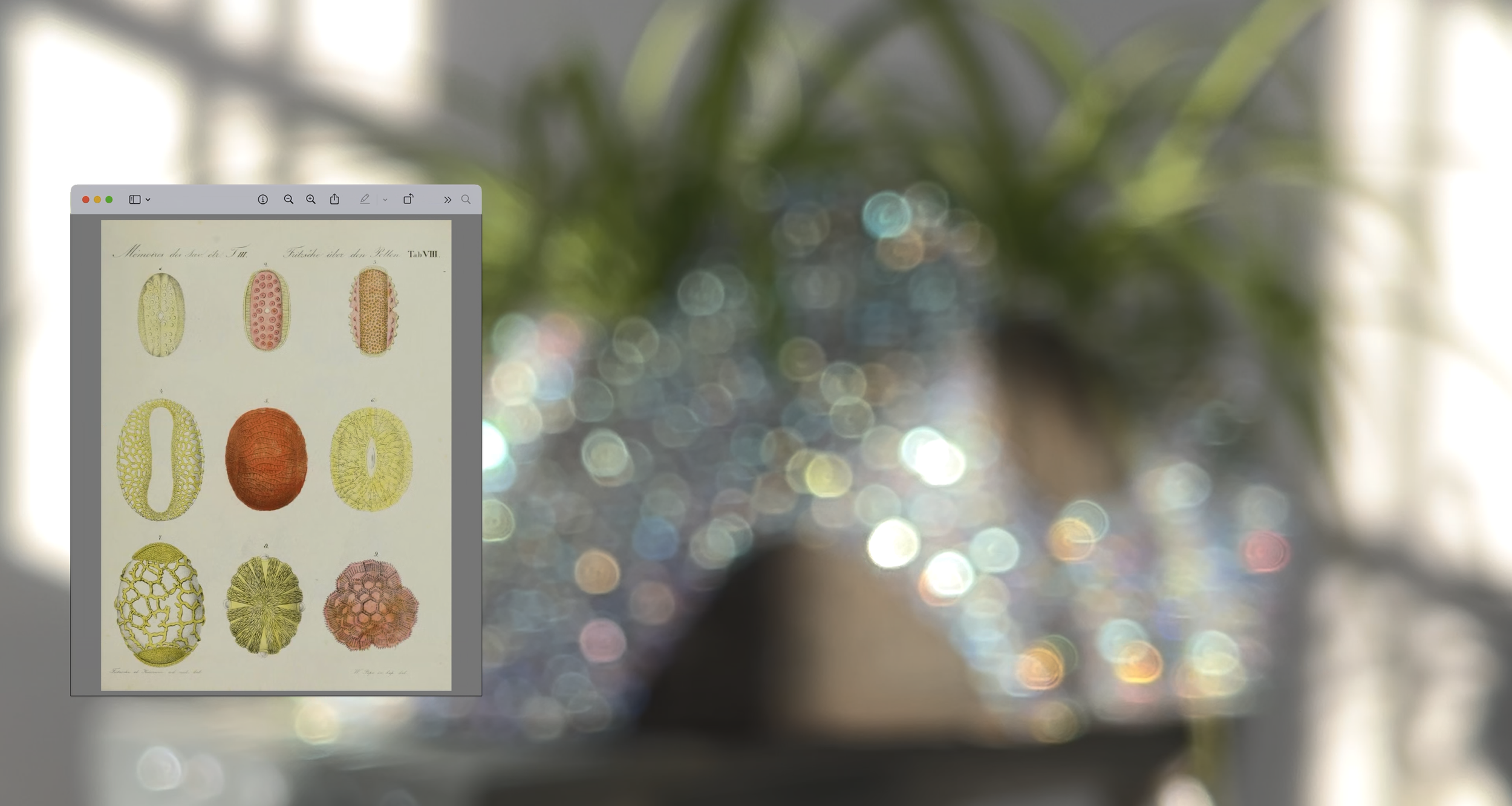
1. the Prompt: Taman Limbo observes the garden in Stockholm as a shapeshifting site, where meaning drifts and is continually reformed by context. It confronts perception biases shaped by colonial histories, gesturing toward the possibility of other ways of seeing, as narratives of desire and resistance surface and recede. What appears natural is reshaped by memory, displacement, and the act of looking.
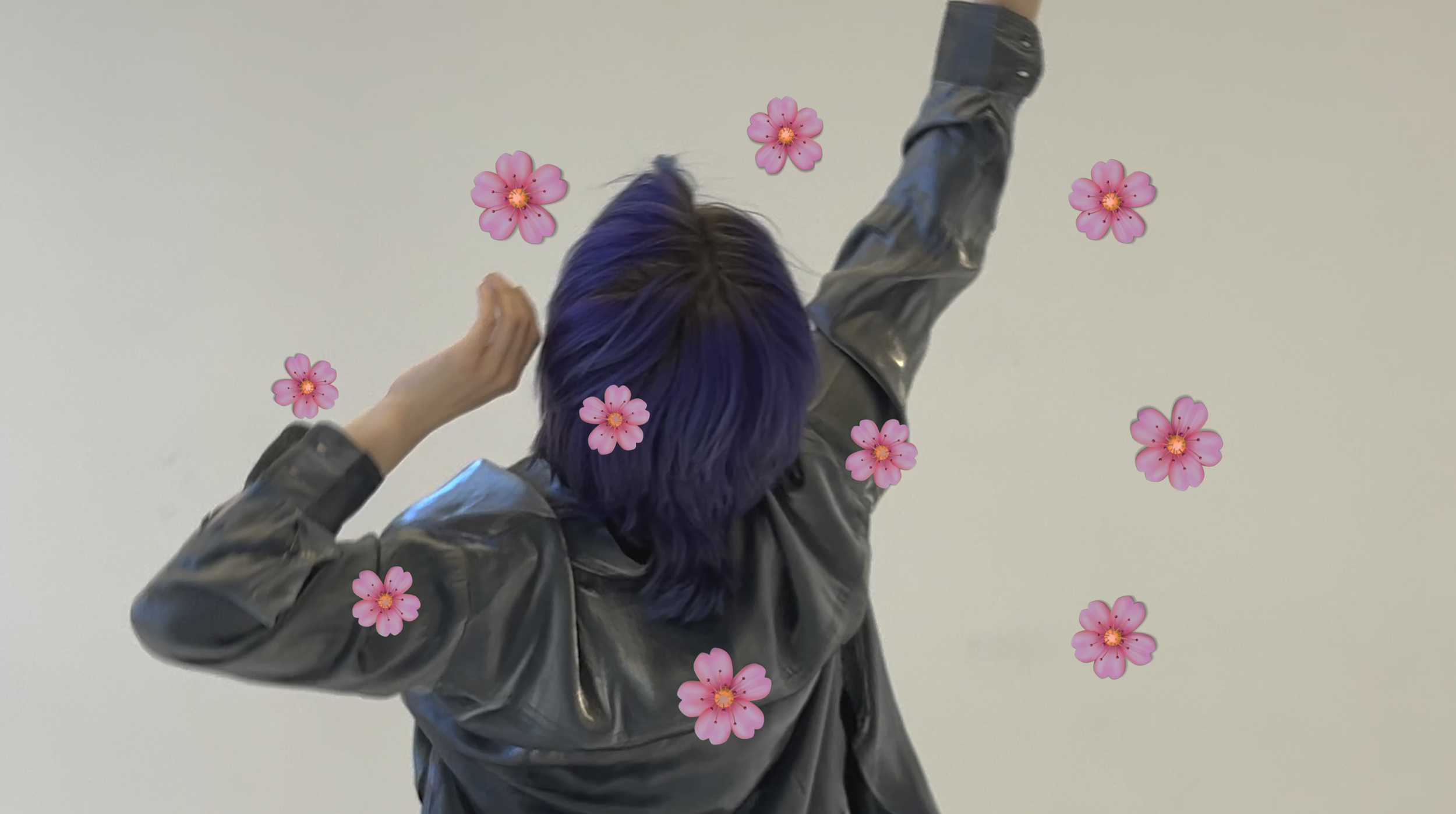
2. the Poem: O Rhu looks into the poetics of the park (often used interchangeably with the garden) as a site of intimacy, especially for those on the margins. This segment features a poem titled O Rhu, co-written by HM and adapted from Our Casuarina Tree by Toru Dutt (1881). In March 1992, a front-page headline in a Singapore newspaper screamed, “AMBUSH ON GAY BEACH.” Inside, the article exposed the secluded stretch of land along Singapore’s East Coast Parkway, describing it as “a homosexual haunt” and detailing the shenanigans that unfolded beneath the canopy of casuarina trees. This sensationalised framing emerged at the height of the global AIDS crisis, when queer lives were marked by fear, stigma, and heightened surveillance. The casuarina canopy thus became not only a shelter for clandestine encounters, but also a haunting symbol of desire under siege.
3. the Interview
4. the Recipe: Maggi Kita profiles Gavin, a chef currently working and living in Kuala Lumpur who has also lived in Singapore for more than 15 years. The documentary addresses notions of identity as something that is non-singular and often more layered than we recognise. In this intimate sharing, he reflects on his own lived experiences of straddling Malaysia and Singapore, sharing anecdotes and trivia about food histories, while also preparing his own take on the ever-familiar local favourite, Maggi noodles. Through his reflections on food and place, the documentary considers how recipes, ingredients and everyday practices can move across borders, resist fixed ideas of cultural ownership, and raise questions on the instability of national categories.
5. the Manifesto